THE OBJECT.
Every print leaves the studio finished, not just printed. Museum grade framing, archival paper, and UV rated glazing, the standard a gallery would insist on, applied to every edition.
Browse The CollectionMuseum grade,
made to measure.
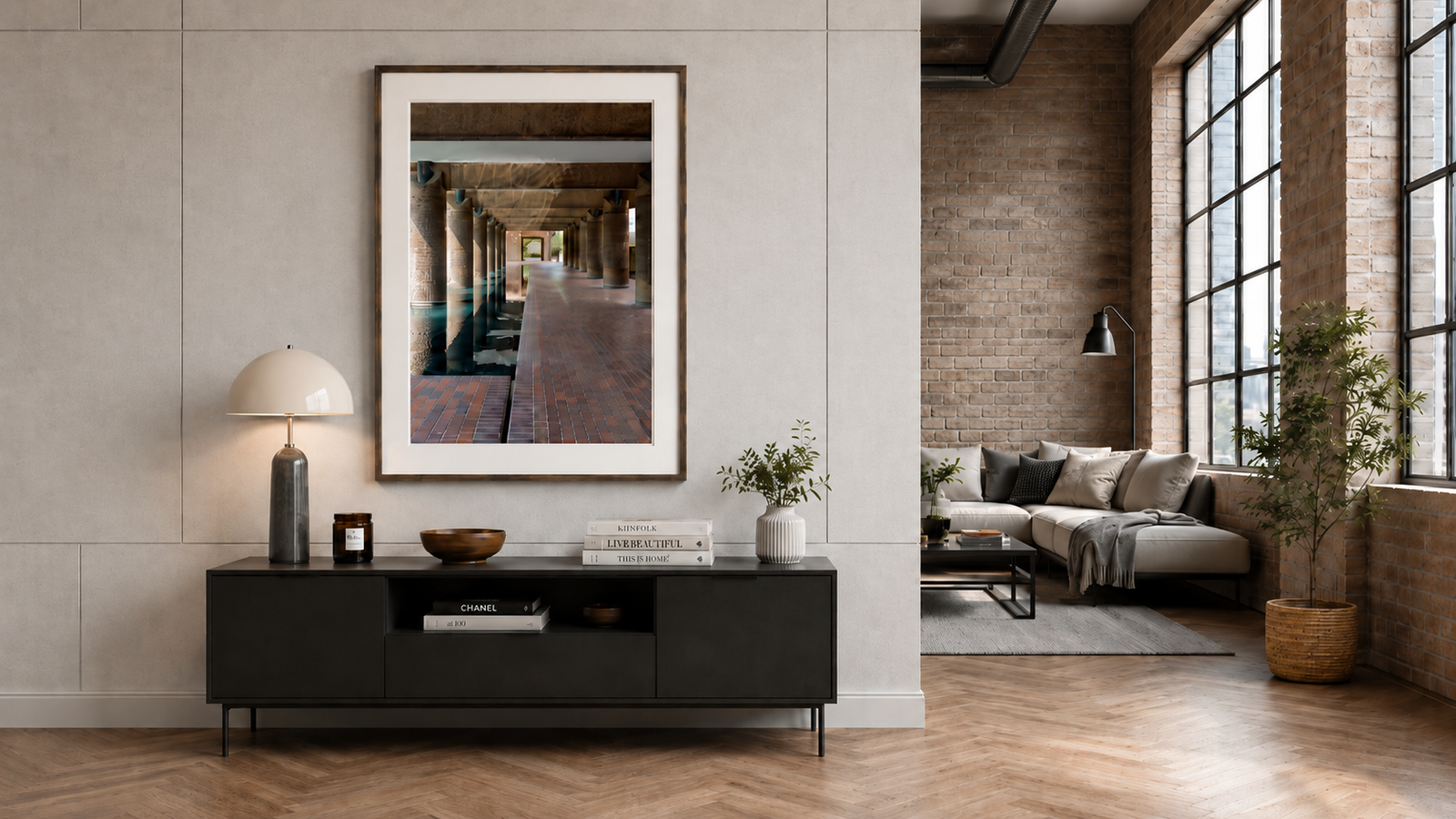
A ready made frame is a compromise: a standard size forcing a non standard piece. Every frame here is built to the millimetre for its print, using the same conservation methods a museum would specify for a permanent collection. A frame is not packaging. It is the last decision an artist makes before the work leaves the studio, and it is treated with the same discipline as the photograph itself.
Off the shelf framing ages badly: acidic board yellows the mount, cheap glazing fades the print, and a loose fit lets the work shift and crease inside the frame. None of that happens here.
Conservation, acid free mounting
Museum board that will not discolour or damage the print over decades.
Made to the millimetre
Every frame is cut and joined for its specific print, never a standard size.
Hand fitted in the studio
No automated production line. Every piece is checked before it ships.
Arrives ready to hang
A fitted hanging system, sized to the frame, straight out of the box.
Our most requested,
in museum grade wood.
A sample for you of the finishes our clients ask for most, every one museum grade wood, ready to be matched to your print.
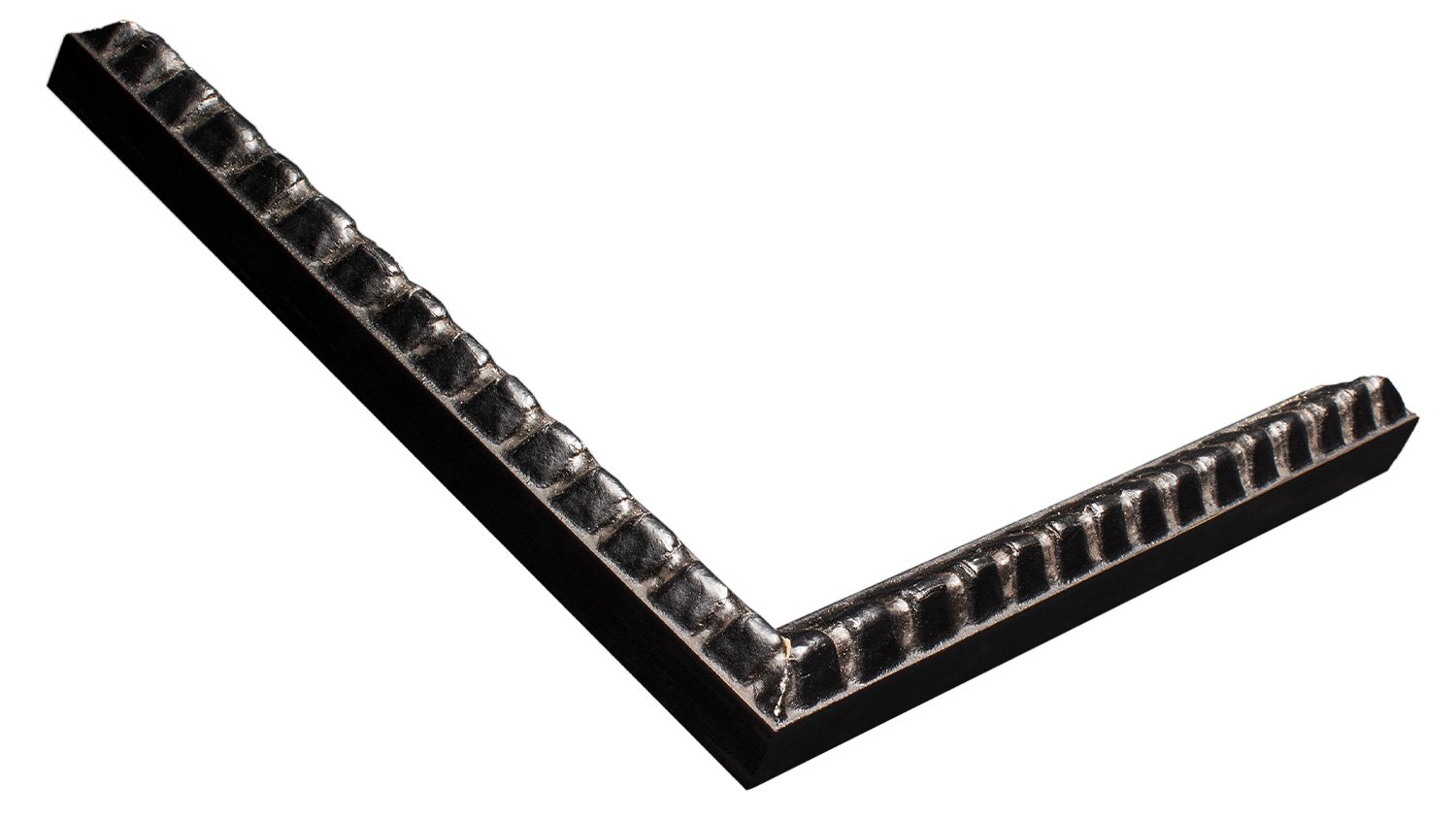
A slim black profile with a hand tooled ridged inner lip that catches pewter highlights along every groove. Understated from a distance, quietly detailed up close.
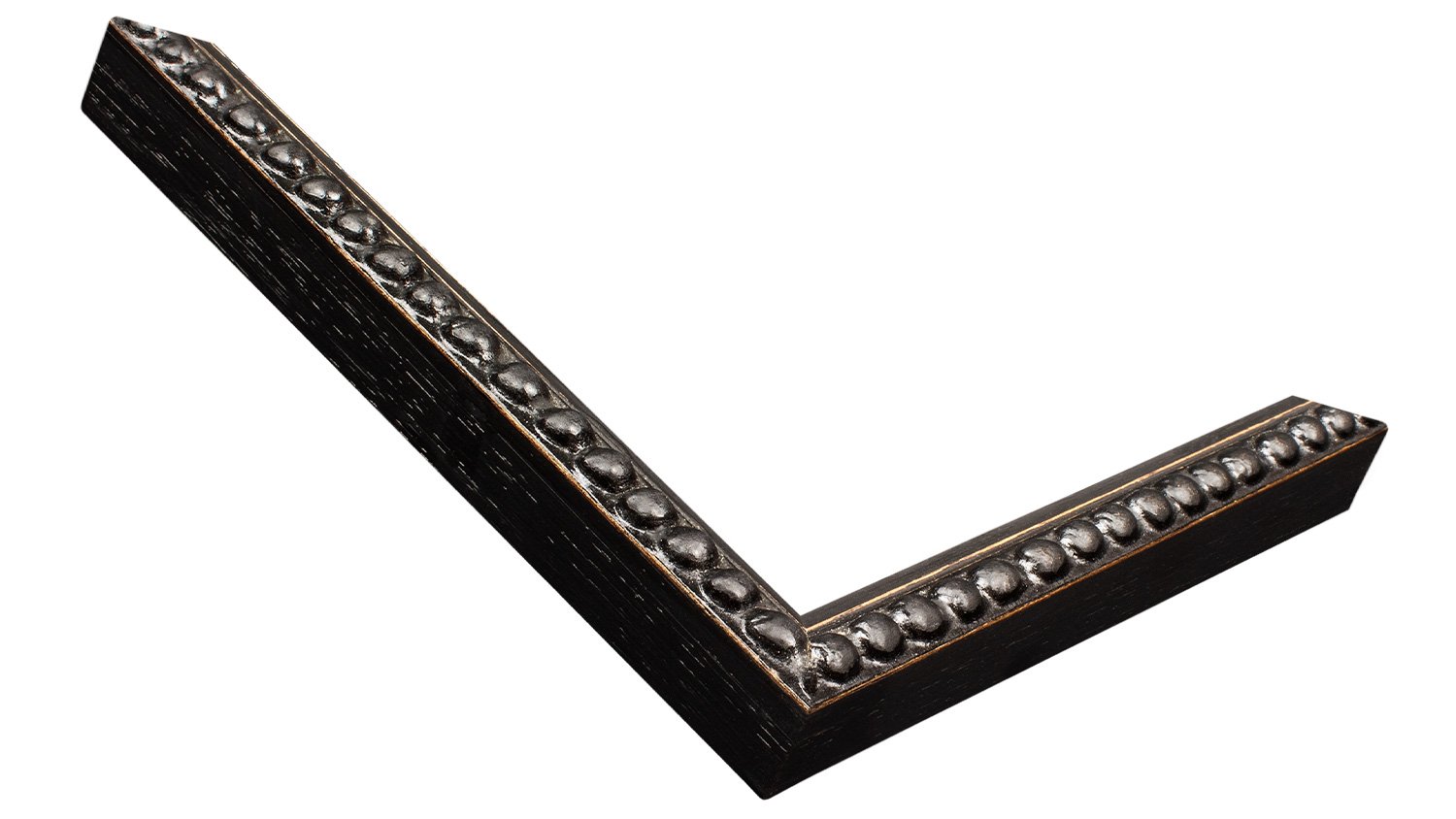
A wider black moulding with a bold pewter beaded edge and a fine gold pinstripe at the rebate. More presence than our standard black, without tipping into ornate.
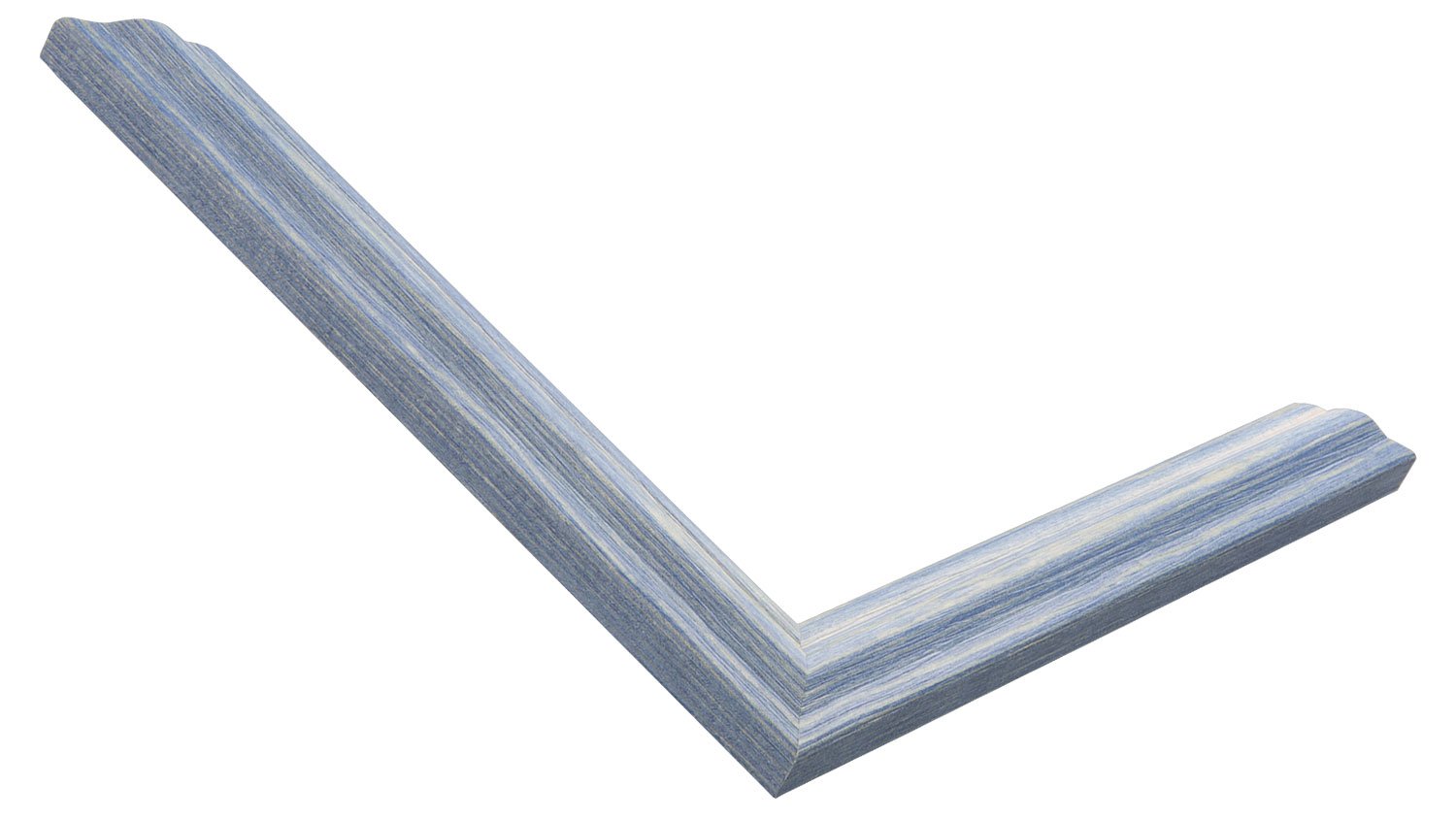
A soft, chalky blue over real oak grain, left visible through the wash. Reads as calm and coastal rather than costume; a quieter alternative to black or white walls.
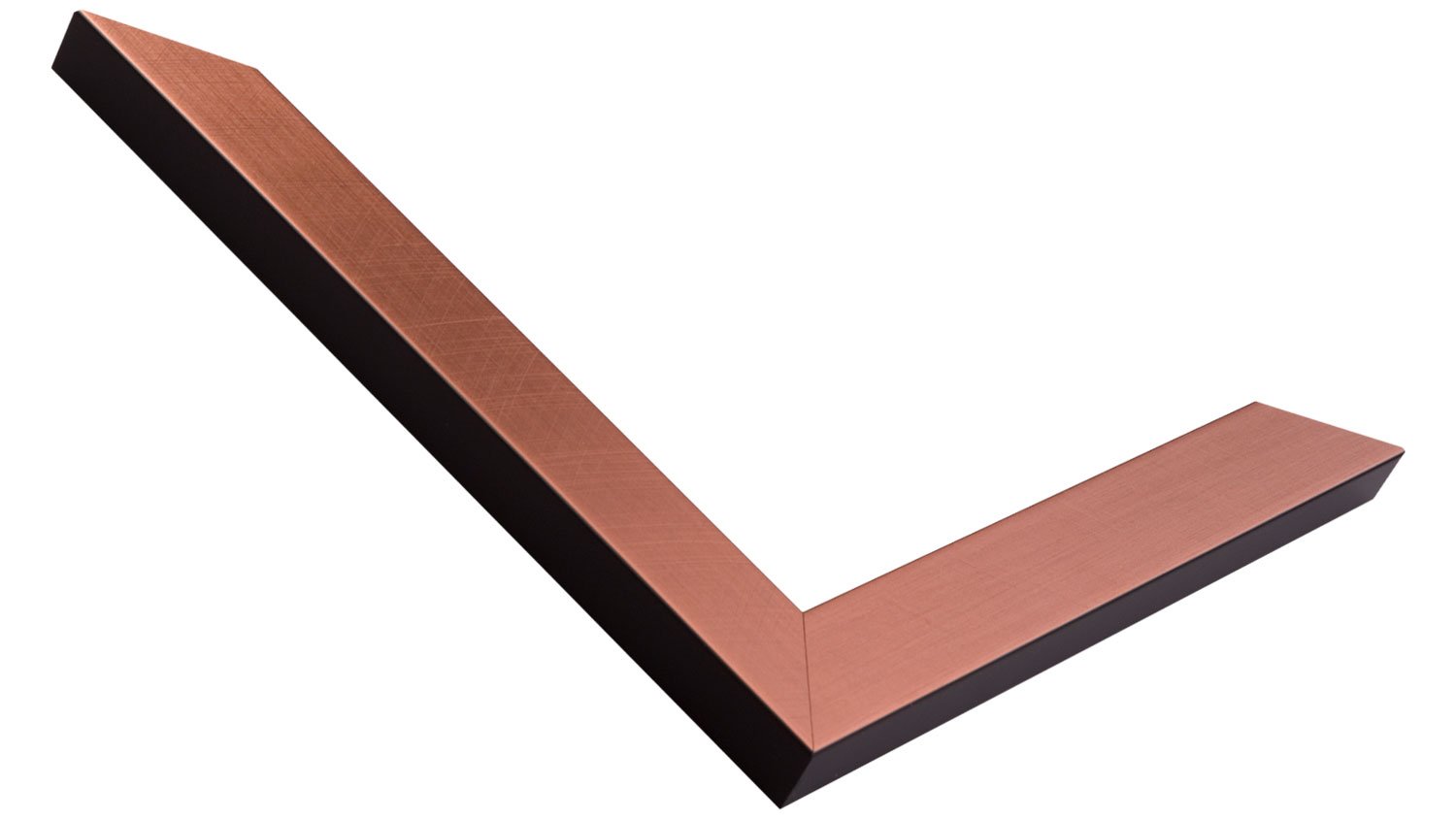
A flat, brushed copper bronze face paired with a dark chocolate edge. Warm and modern, it sits well against both monochrome and colour work.
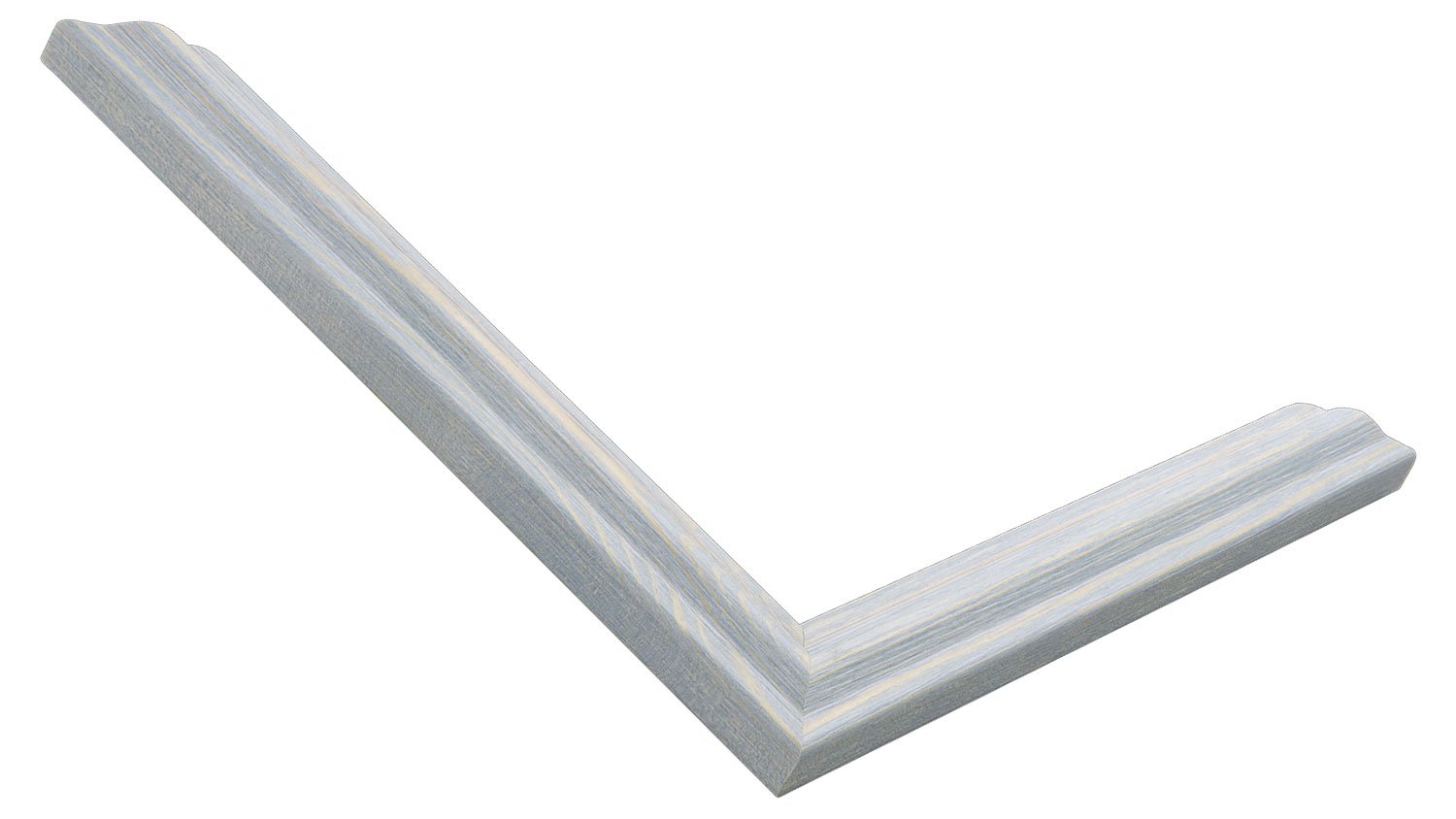
A paler, more silvered take on our washed oak, with the grain still visible beneath. Cooler and more muted than our Powder Blue, closer to driftwood than sky.
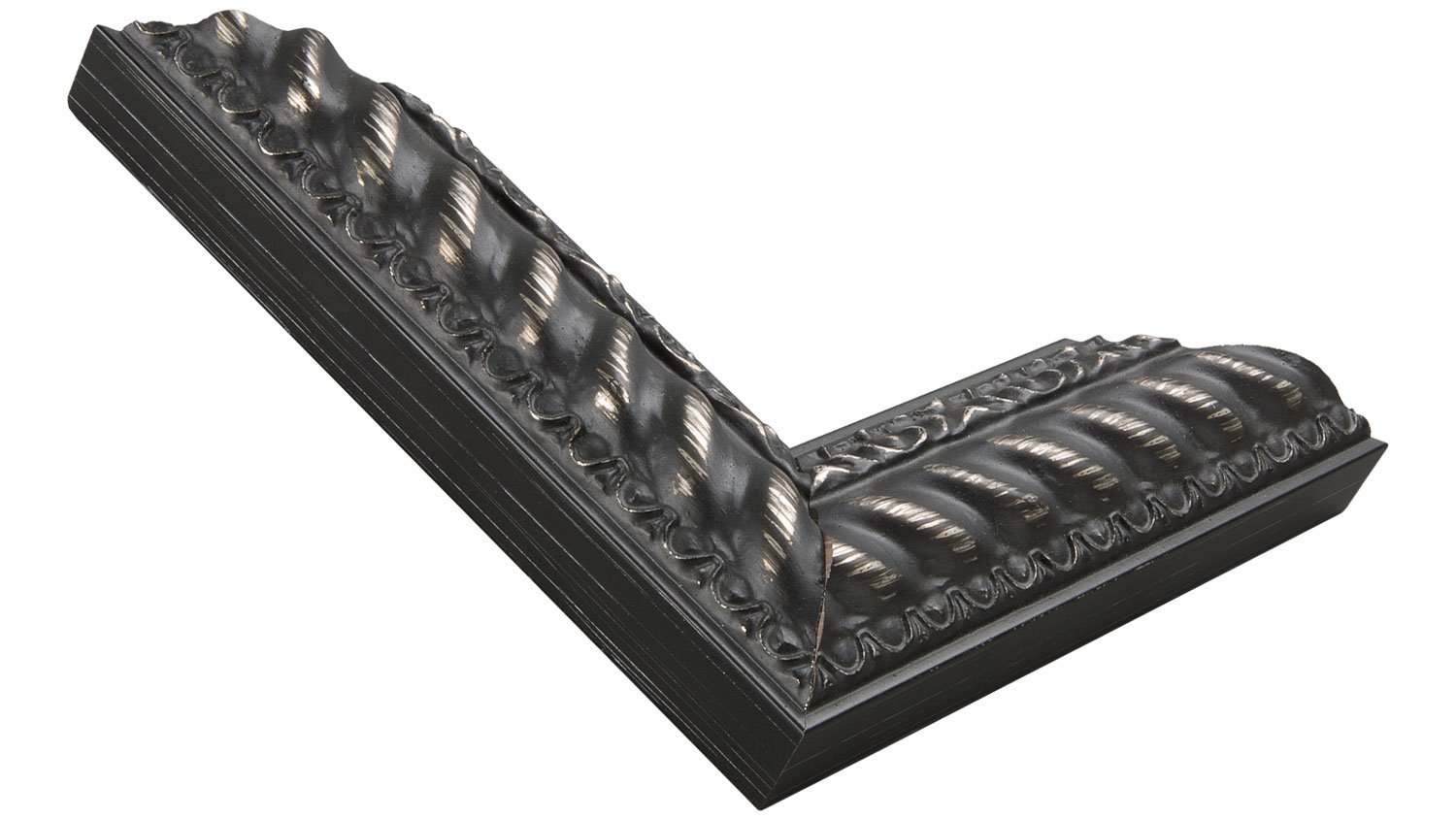
A deep, hand carved black profile with an aged gold and pewter rope and leaf pattern. The most ornate finish we offer, built for work that wants a heritage frame.
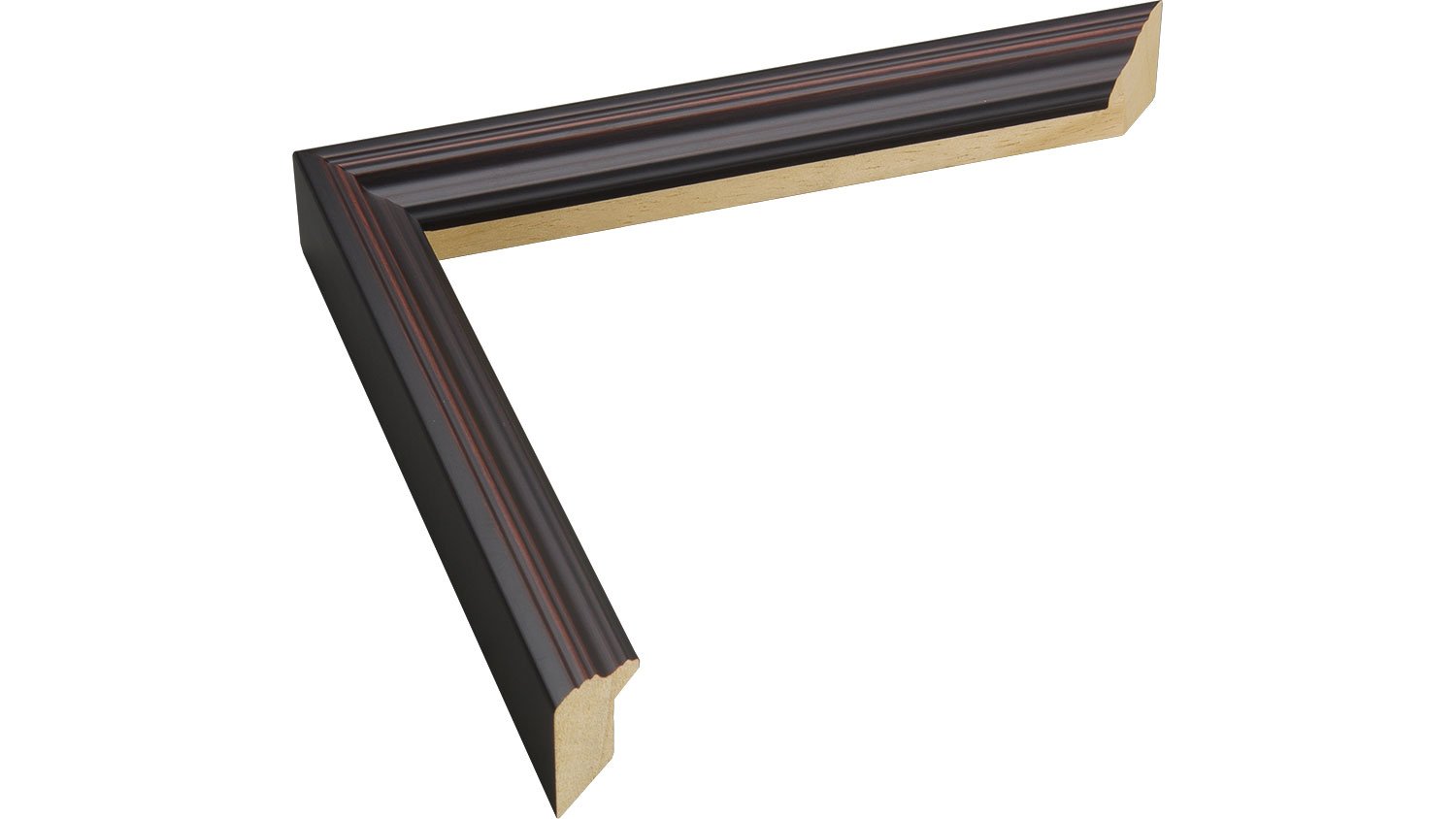
A glossy, near black lacquer with a fine burgundy pinstripe traced into the groove, and a raw timber back edge left honest and unfinished. Sharp in a gallery setting.
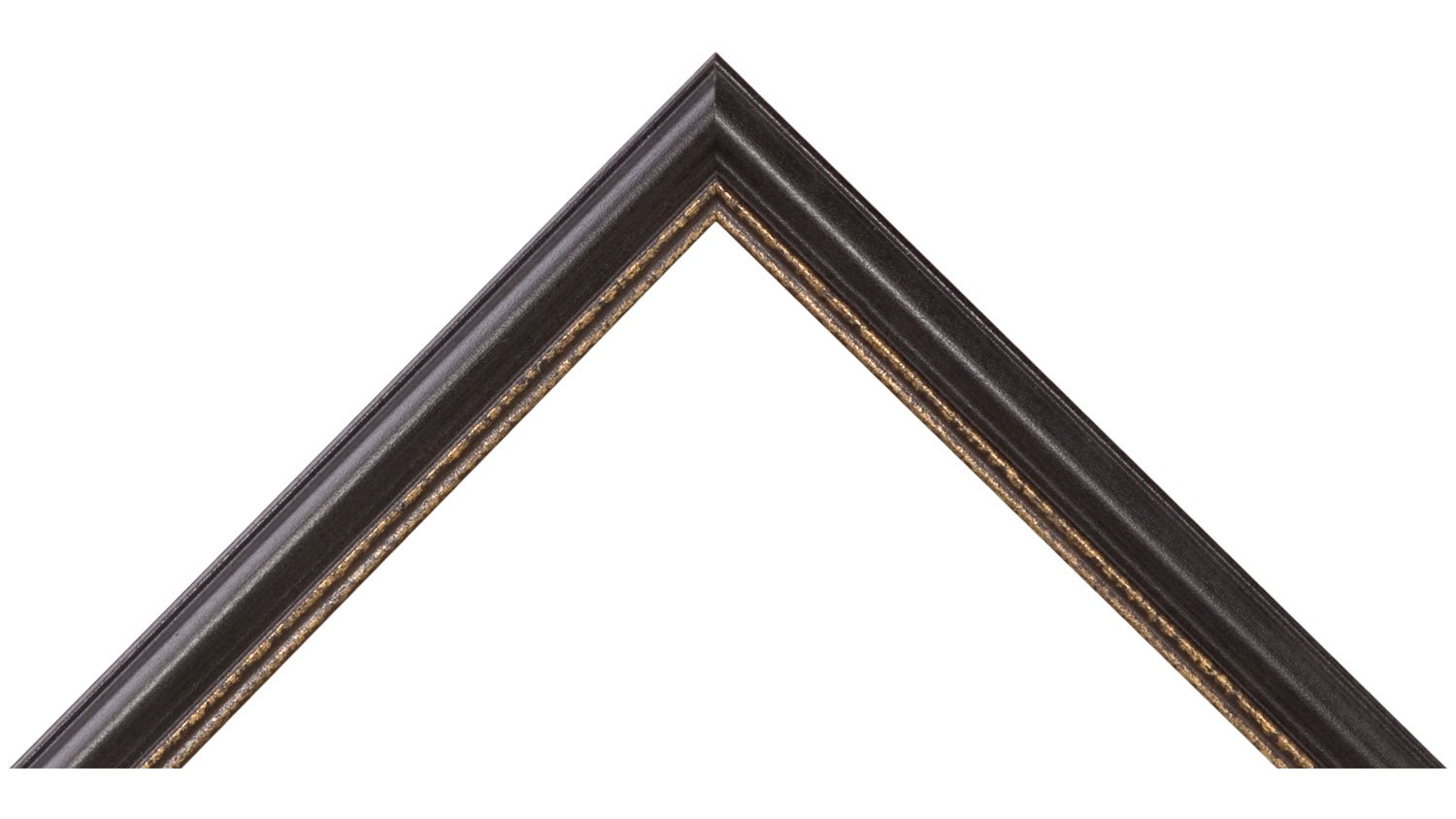
A deep espresso brown wood with a delicate beaded gold trim along the inner edge. The most traditional of our finishes, suited to work with a classical or archival feel.
Printed to last.
Not just printed.
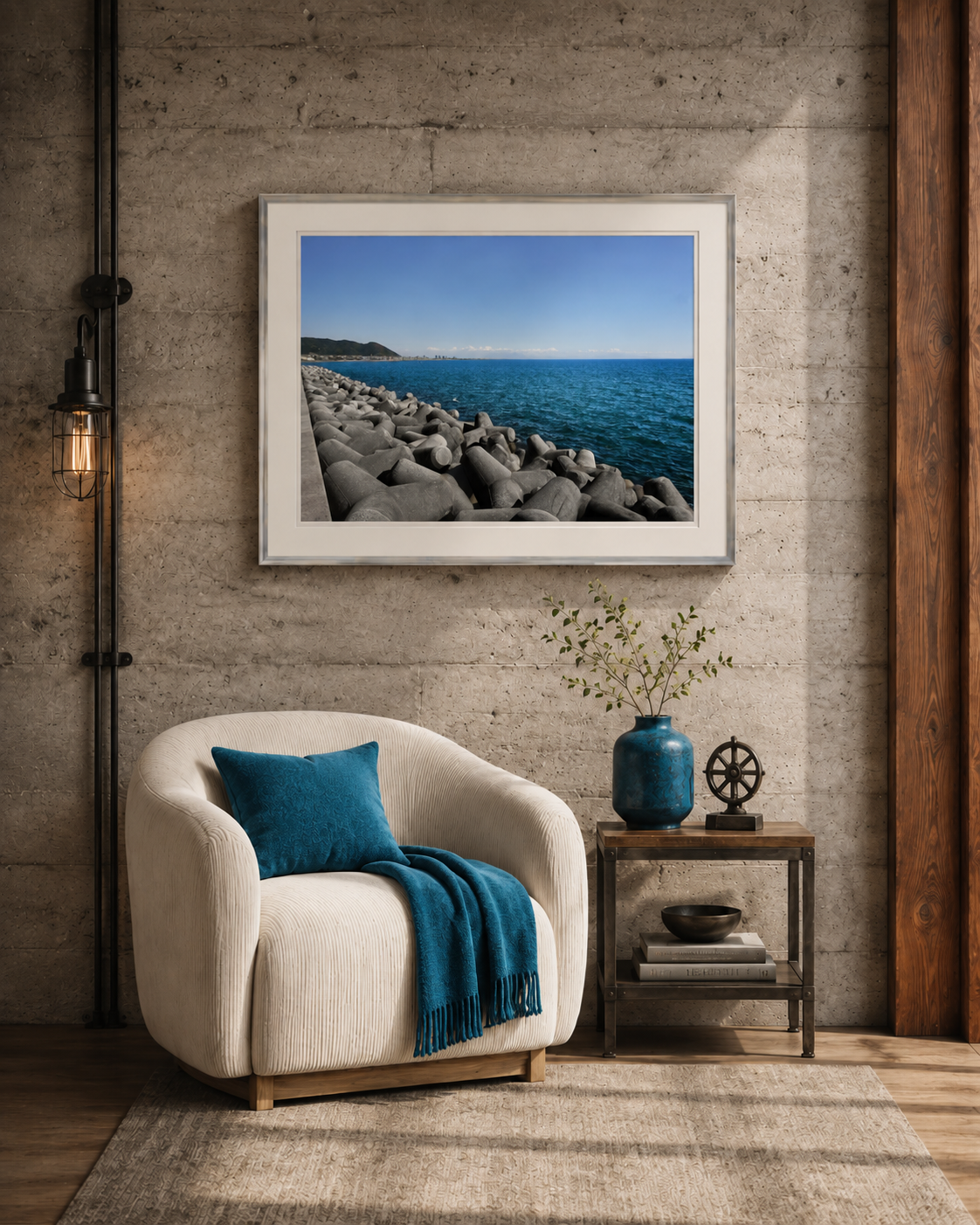
Every image begins with the same argument as the buildings it studies: a structure has to be right before anything is added to it. The frame is composed, levelled and exposed correctly in the field, not assembled afterward at a desk.
It shows most in a sky, a shadow, or the transition between the two, where the difference between a decision made in the field and one made in post-production stops being a specification and starts being visible. What the capture holds, minimal post production preserves: no manufactured detail standing in for what the light actually did. Every edit exists to remove noise, not to invent texture that was never there.
From there, every edition goes through the same two decisions, in detail, below: the paper it lives on, and the print process that puts it there. Both are chosen with the same discipline as the capture itself.
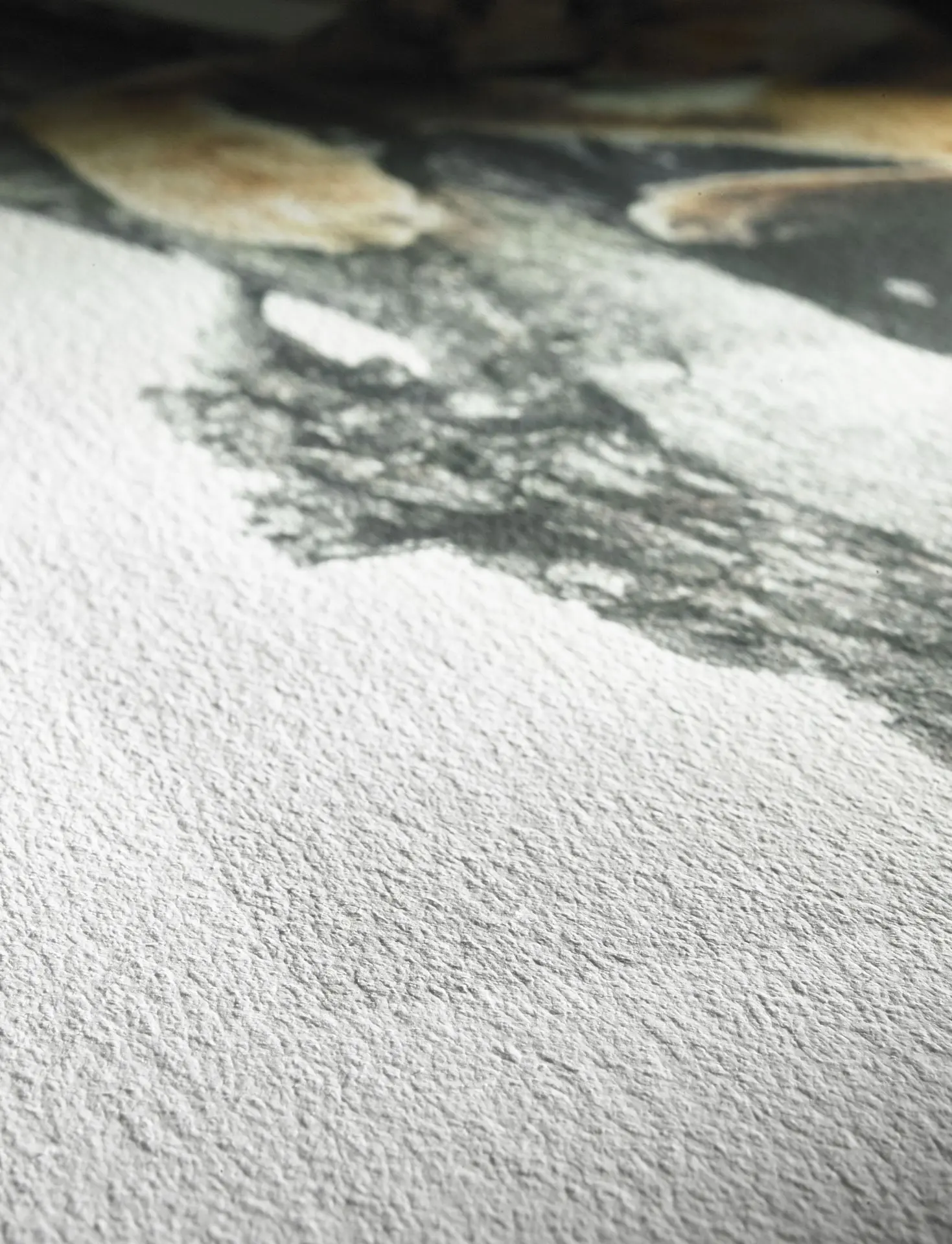 Fibre & texture, macro detail
Hahnemühle Photo Rag, 308gsm
This is the paper museums and galleries default to when a print has to survive being called an archive. 100% cotton rag, acid free, and built to hold its whiteness and its structure for generations rather than years. Nothing about it is generic photo stock, and it shows the moment you hold a piece in your hands.
- 100% cotton rag base, meaning no wood pulp, no lignin, so it will not turn brittle or yellow with age.
- Acid free and buffered with calcium carbonate, keeping the sheet chemically stable for decades, not months.
- 308gsm weight with genuine tooth and rigidity, so the print holds its own even before it reaches a frame.
- 99% opacity so nothing from the reverse side ever shadows through the image.
- Natural cotton whiteness, not optical brighteners that fade and yellow with UV exposure over time.
Archival Pigment, Not Dye
Every print is an archival pigment giclée, fine droplets of lightfast pigment laid onto the paper with a precision no dye based printer can match. Pigment resists UV fading in a way dye simply cannot: it sits on the surface as stable, insoluble particles rather than soaking in as a soluble dye that light breaks down far faster.
Independent longevity testing from bodies such as Wilhelm Imaging Research rates comparable pigment on cotton rag systems, correctly framed under glass, at upwards of 100 years of display life before any noticeable fading. Monochrome work is often rated well beyond that. Every edition here is made to that standard, not a lesser one: the same process a museum print room would use for a permanent collection.
Protecting the print.
Every edition is glazed in Clarity+ acrylic as standard, chosen first for how it looks, not just what it protects.
It disappears entirely in front of the print. Its true, water clear finish means colour, contrast and fine detail read exactly as they left the studio, with none of the greenish cast, reflection or surface glare that ordinary glass adds. It also filters 99% of UV light, and is shatterproof and roughly half the weight of glass, which matters the moment a framed piece has to travel. The comparison below is the same one we use internally when specifying materials.
| Glazing Type | Visual Clarity | Colour Tint | Durability & Handling | Best Suited To |
|---|---|---|---|---|
| Clarity+ AcrylicOUR STANDARD | Exceptional water clear finish, virtually invisible at normal viewing distance. | None. True, accurate colour. | Shatterproof and roughly half the weight of glass. The safest way to frame and ship a print without any risk of breakage. | Every edition we sell. Gallery level clarity with the durability to actually reach a wall intact. |
| Museum Glass | The ultimate clarity available, at around 99% light transmission. Looks all but invisible over the print. | None. A refined anti glare coating keeps colour completely true. | A hard, precise surface with a delicate optical coating that calls for careful handling. | Collectors who want the single highest clarity finish available and are framing for a permanent, controlled setting. |
| Anti Reflective (AR) Glass | Superior clarity at around 99% transmission, coated to cancel reflections almost entirely. | None. Colour reads exactly as printed. | A hard surface with a delicate optical coating, best suited to walls rather than transit. | Bright, light filled rooms where eliminating glare matters more than anything else. |
| Water White (Low Iron) Glass | High clarity with a standard level of reflection. | None. Iron is removed for accurate colour. | Glass, so scratch resistant but still fragile in transit. | A static, permanently sited display where shipping isn’t a factor. |
| Standard Float Glass | Good clarity, with noticeable reflection. | A slight green cast from natural iron content. | Glass, scratch resistant but brittle. | Budget framing where cost matters more than colour accuracy. |
| Non Reflective (Etched) Glass | Reduced. A matte finish softens fine detail. | A slight green cast. | Glass, scratch resistant. | Bright rooms prioritising glare reduction over image sharpness. |
| Styrene Glazing | Basic. Can look hazy or foggy. | Often a mild colour cast. | A very soft plastic that marks easily and can warp over time. | Temporary or entry level framing only. Not used on our editions. |
Museum Glass and Anti Reflective glass are available for collectors who want the absolute highest optical clarity for a permanent, non transit installation. Because these are specified per piece, we handle them as a personal enquiry rather than a standard checkout option.
This is why Clarity+ acrylic is the standard on every piece we sell: it gives a print gallery level presentation and the resilience to survive being framed, shipped and hung, so it arrives looking exactly as it left the studio.
Every edition,
accounted for.
A limited edition means exactly what it says: a fixed number of prints, never reissued once the edition is closed. That claim only matters if it can be verified, so every limited edition print leaving this studio carries the same layers of proof a gallery, appraiser or insurer would expect to see.
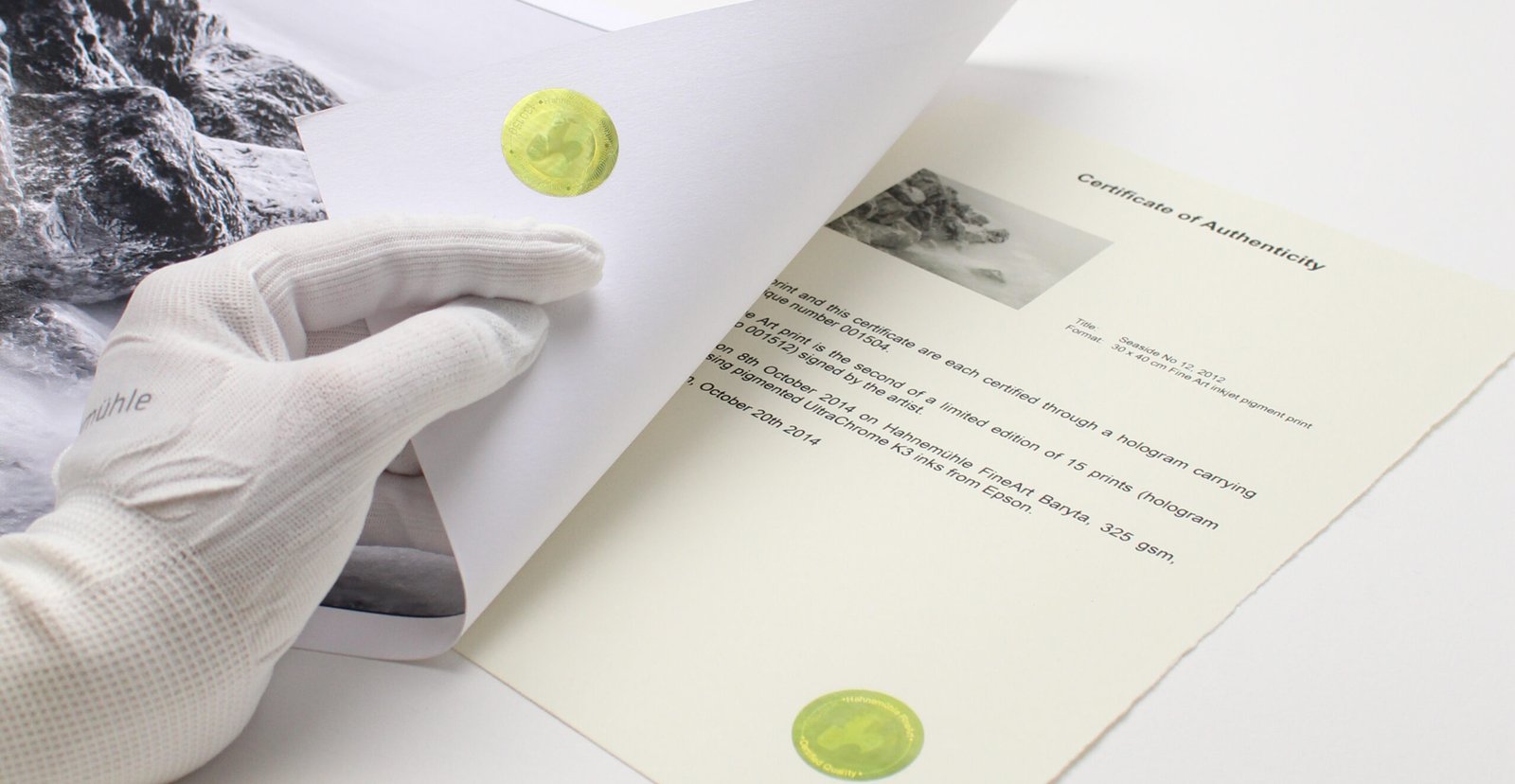
Certificate of Authenticity, Issued With Every Edition
01 — Signature & Edition
Every print is hand signed in pencil directly on the sheet, alongside its edition fraction, for example 7/25, so its position within a closed edition of 25 is never in doubt. It is the same convention used across the print market, and the first thing an appraiser or gallery will look for.
Alongside the print, every edition ships with a printed Certificate of Authenticity: name and signature, title, creation and print dates, edition number and total edition size, medium, paper type, dimensions, and a unique serial number cross referenced to the print itself. Without this, appraisers and insurers routinely discount a print’s resale value, edition or not.
02 — Security & Verification
For an additional layer of physical security, certificates can be paired with a serialised, tamper evident hologram, one seal on the certificate, a matching seal on the reverse of the print, plus an embossed blind stamp pressed directly into the paper, invisible until tilted to the light.
On request, any edition can also be registered on a blockchain backed ledger such as Verisart, creating a permanent, publicly verifiable record of the certificate that exists independently of the paper it is printed on, useful for resale, insurance or simply peace of mind decades from now.
Open edition prints, work with no fixed print run, are not numbered, since there is no edition size to number against. Each open edition print is still hand signed and accompanied by a simplified Certificate of Authenticity confirming title, creation and print date, medium, paper and dimensions. It carries the same guarantee of genuine authorship and print quality, without a claim of scarcity that would not be true.
Explore The Work
The framing exists to protect the photograph.
Every piece shown here starts as a print from one of five ongoing series. See the full body of work before deciding how it should be framed.
Working photographer based in London. Prints produced to museum standard.
Ships worldwide to 50+ countries. Returns handled personally, wherever you are.